The Tax Authority introduces Fawtara, an e-invoicing system designed to transition from paper to digital, simplifying processes and enhancing business efficiency and transparency. It represents a significant advancement in the tax system, offering benefits like electronic invoice exchange, improved tax compliance, cost reduction, and faster, more accurate processing. Fawtara involves VAT taxpayers, service providers, and the Tax Authority, streamlining the invoicing process through digital integration and supporting a more transparent and reliable business environment.
This video provides an overview of the different types of tax invoices essential for VAT-registered companies in Oman. It covers full, simplified, and used goods invoices (under the profit margin mechanism), along with self-issued and summary invoices. The video details the specific information required for each type and highlights the critical importance of maintaining these records for VAT compliance, preparing returns, and avoiding potential fines or imprisonment.
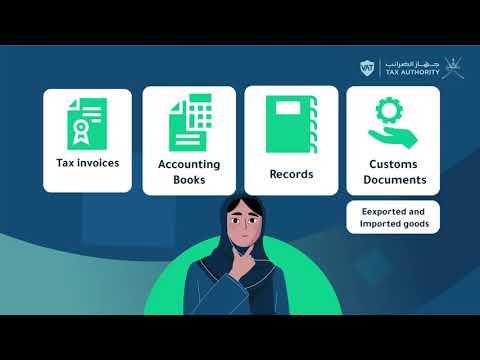
This video provides an overview of the three main types of tax invoices essential for VAT-registered businesses in their transactions with customers and the tax authority. It details the standard tax invoice, simplified tax invoice (for supplies under 500 OMR), and margin profit invoice (for used goods). Additionally, it explains how to adjust the value of due tax, the concept of a summary tax invoice, and emphasizes the critical importance of retaining tax invoices and accounting records for specific durations (10 years for activities, 15 years for real estate assets) to ensure compliance and avoid penalties.